
 Really Big Coloring Books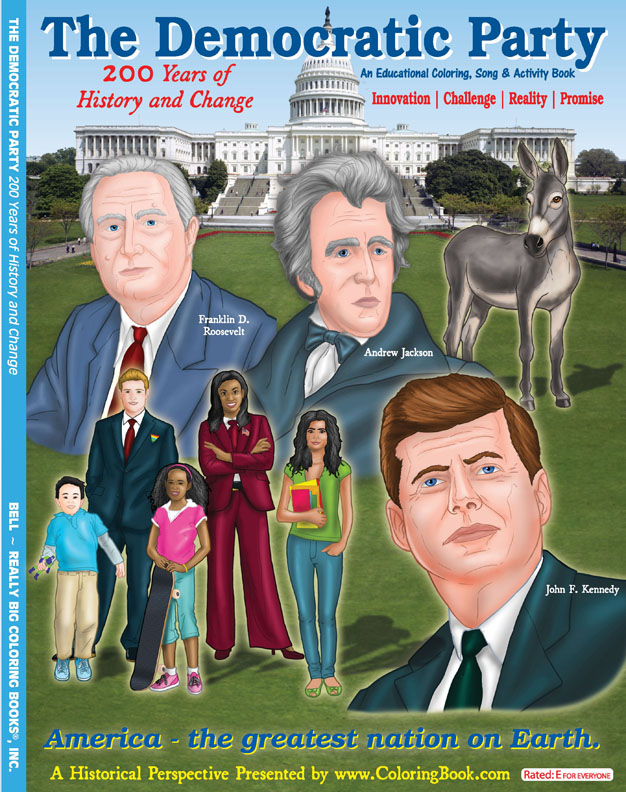
 Really Big Coloring Books
Our Affiliation Partners
-

Really Big Coloring Books® member Library of Congress Copyright Office Books and Music





-
Click for information about:
Jingles | Custom Songs | Band -

Member of the Missouri Press Association

-

82277
-

649013
-

50277


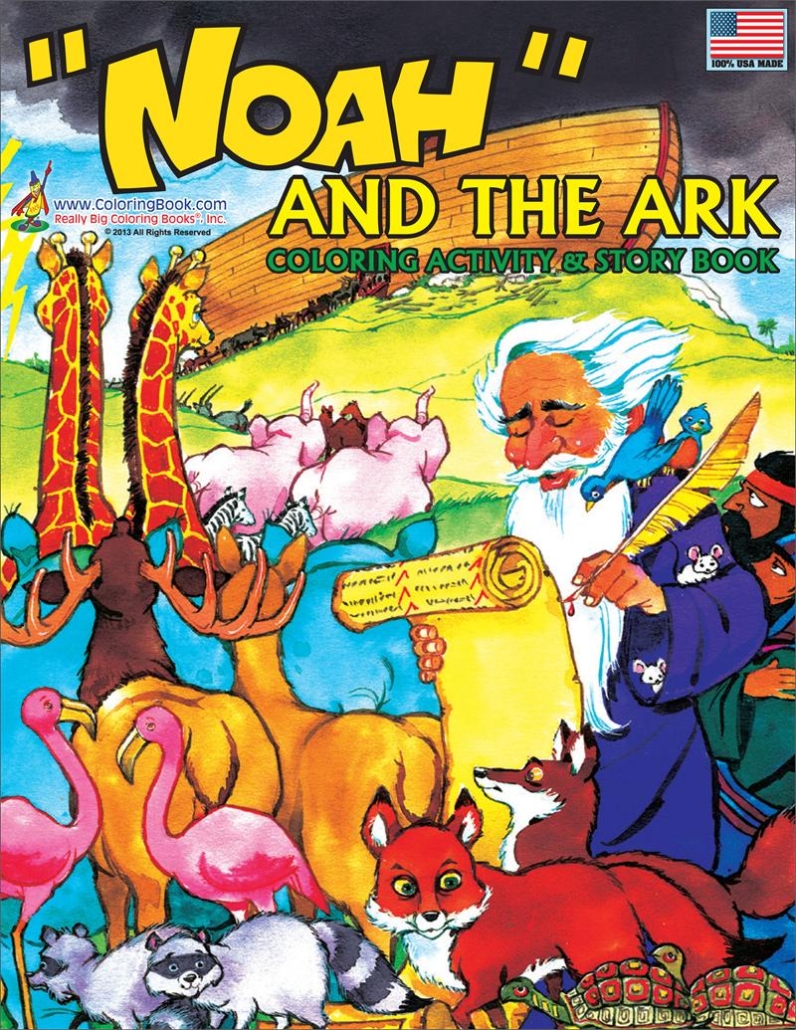
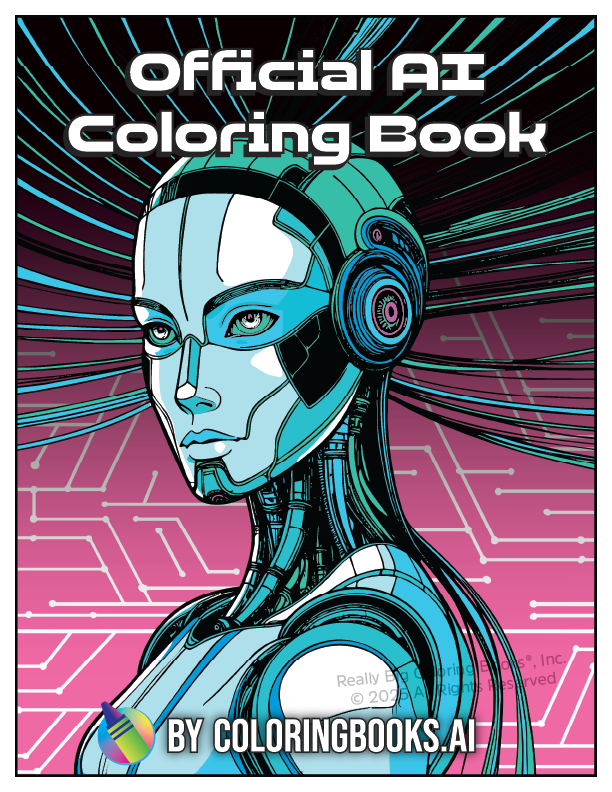

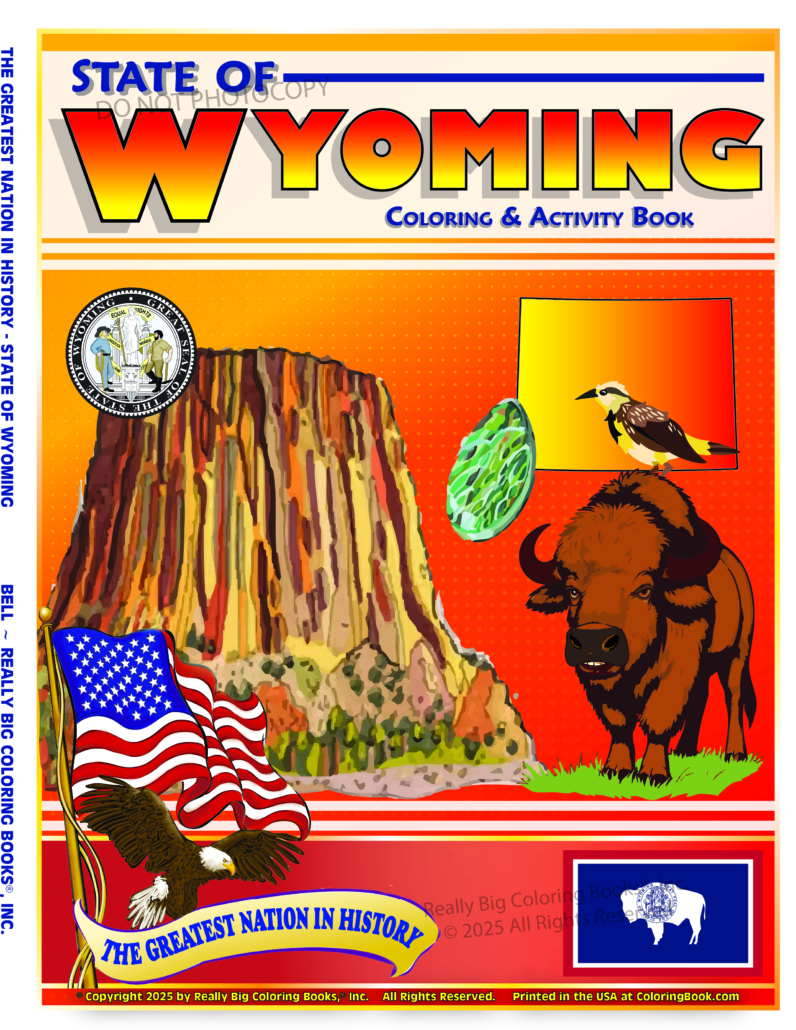
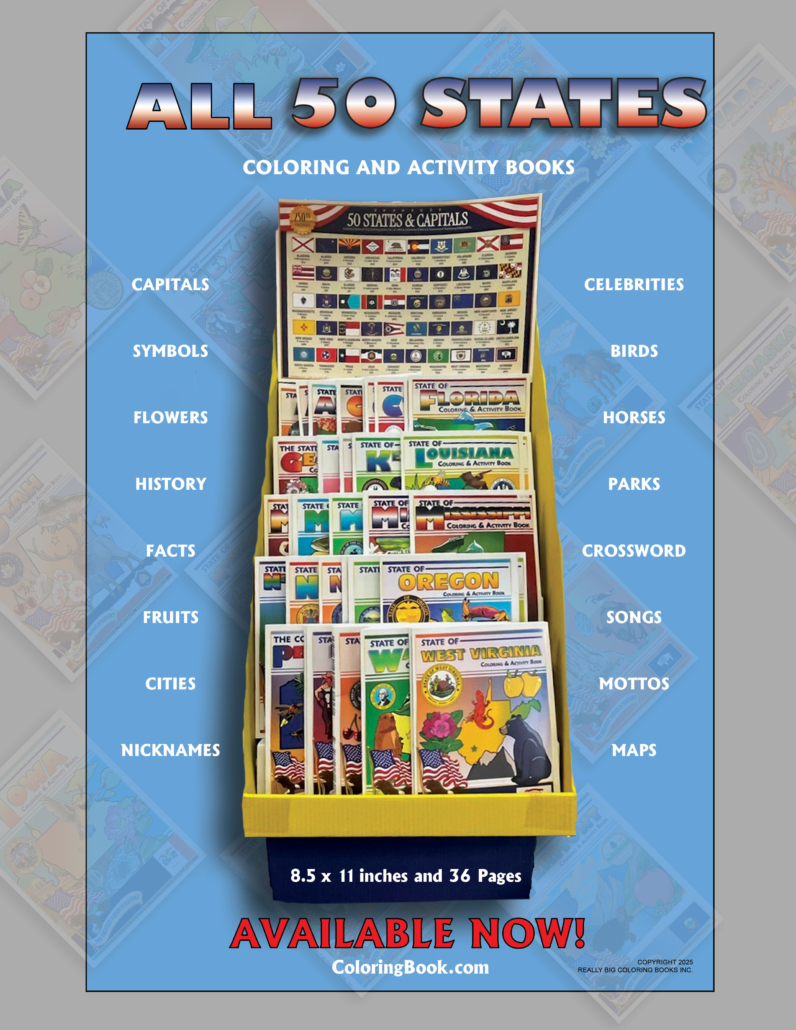

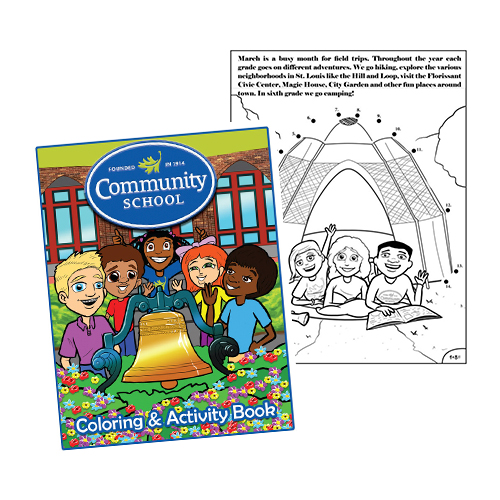
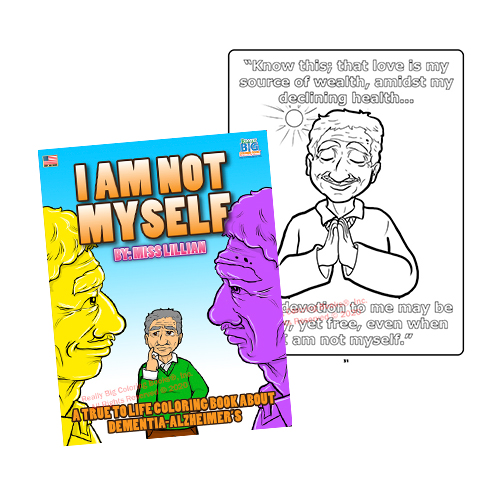

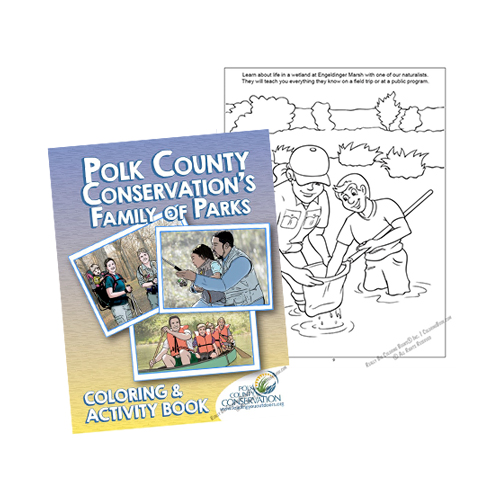
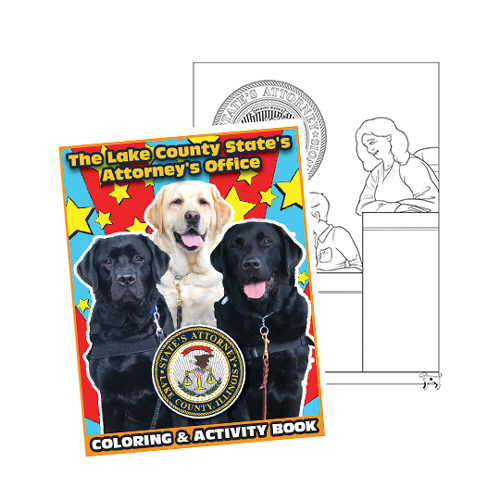
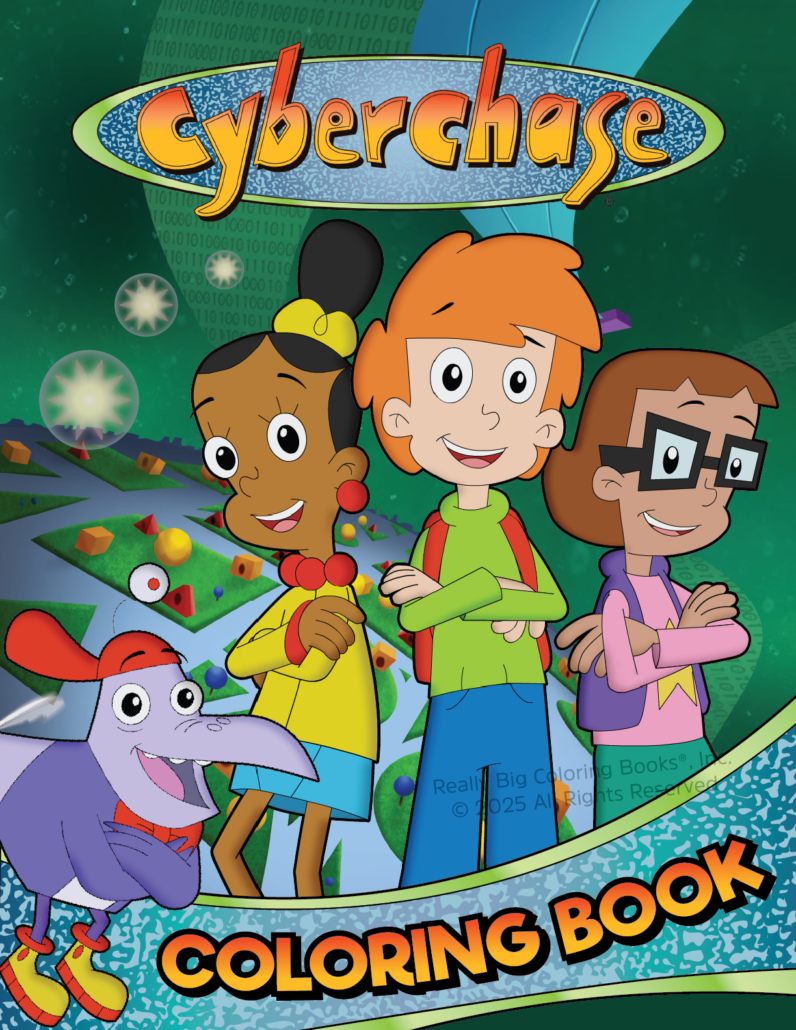
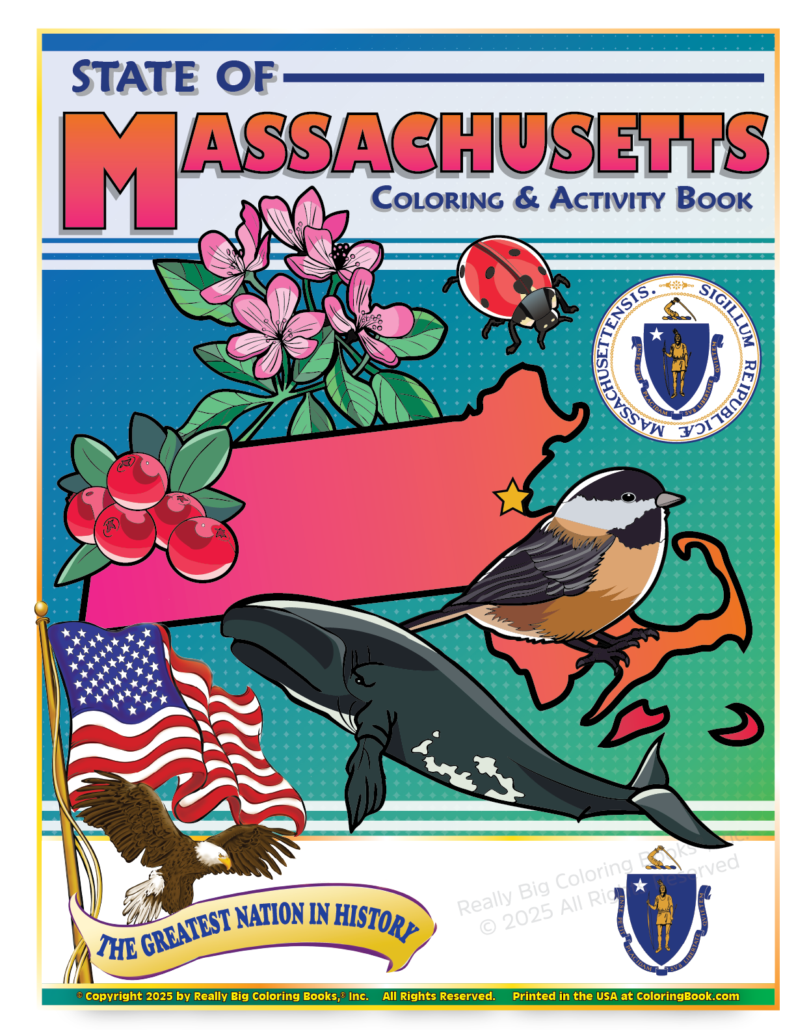
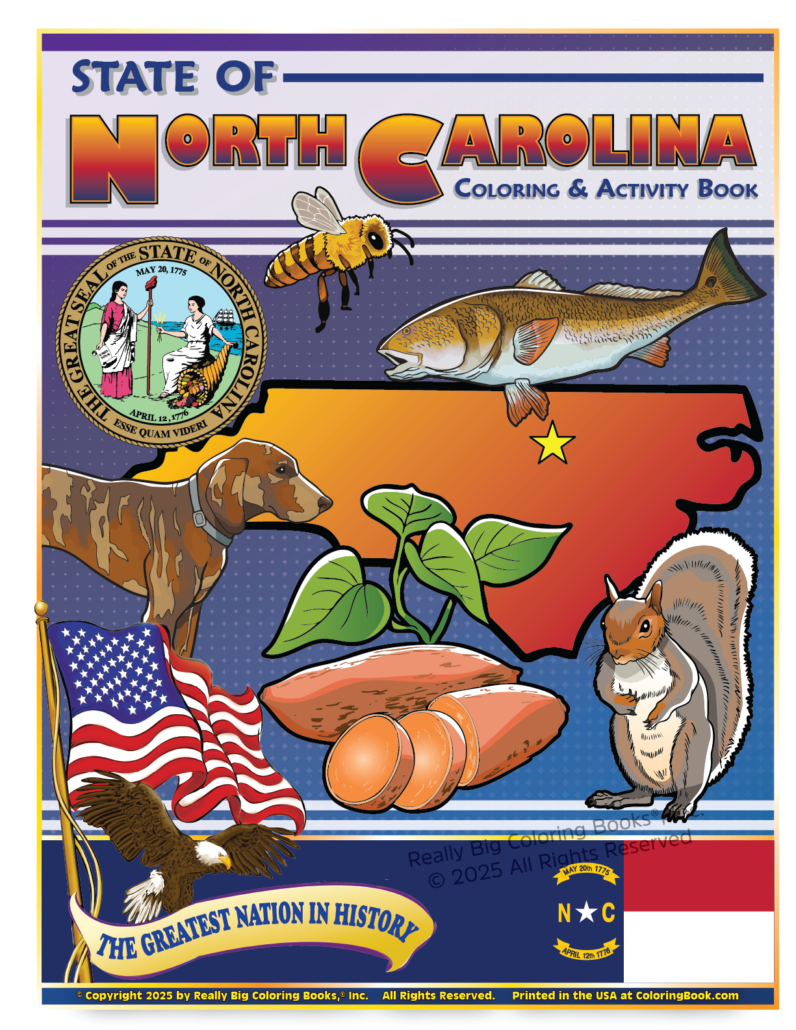
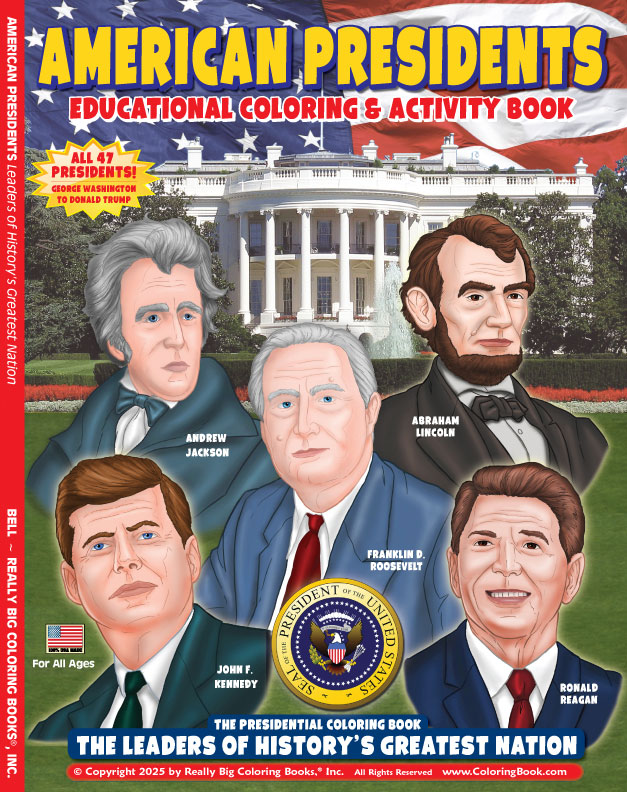
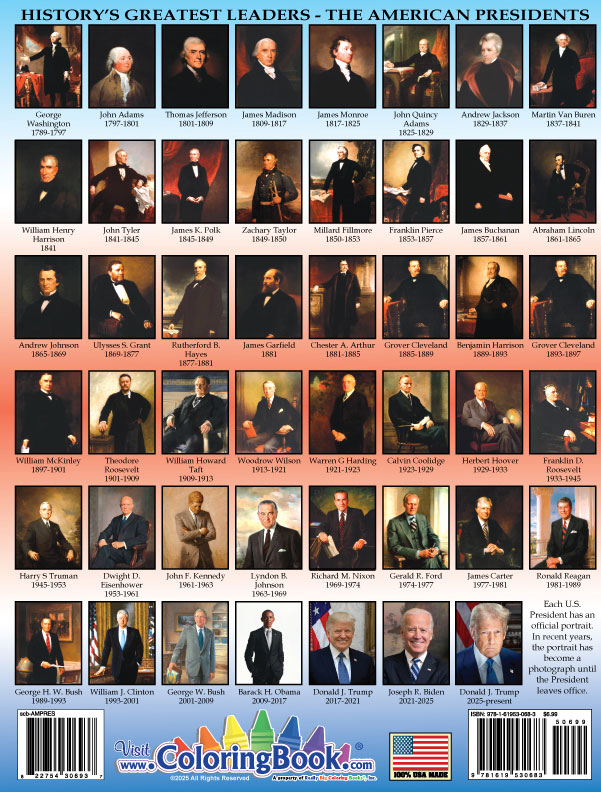
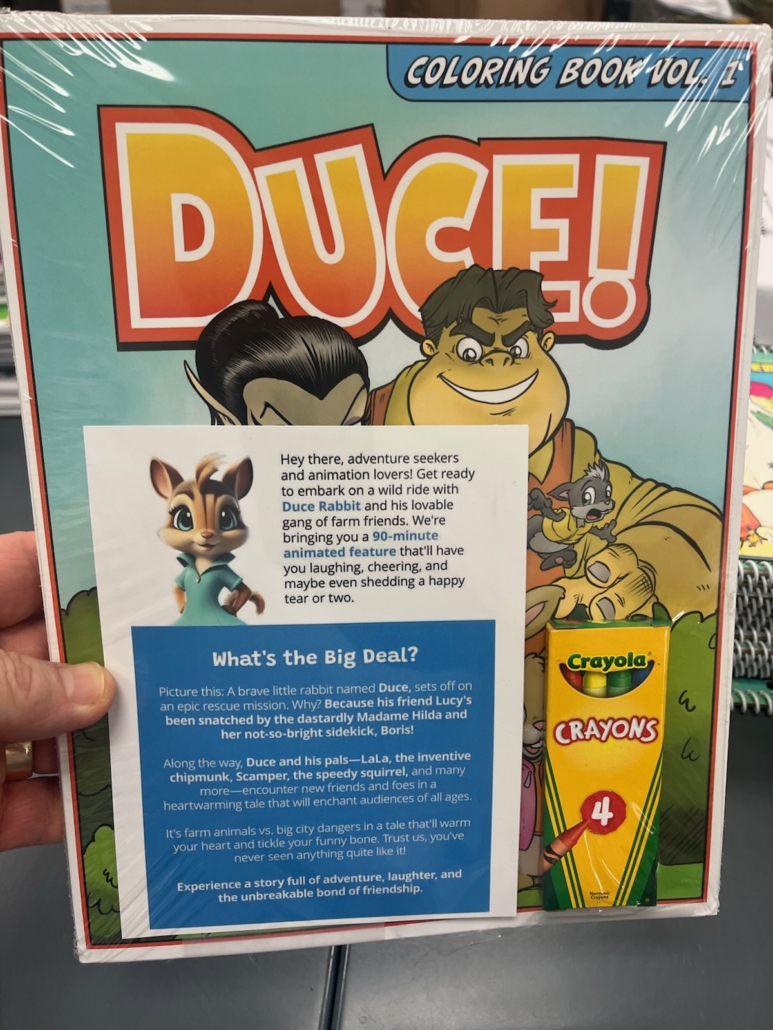
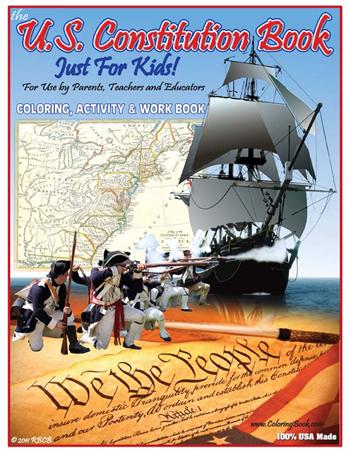
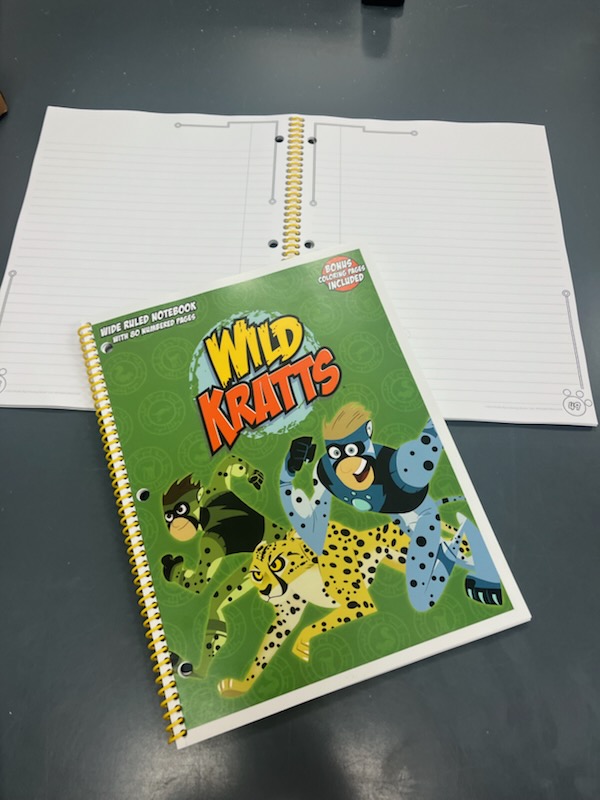
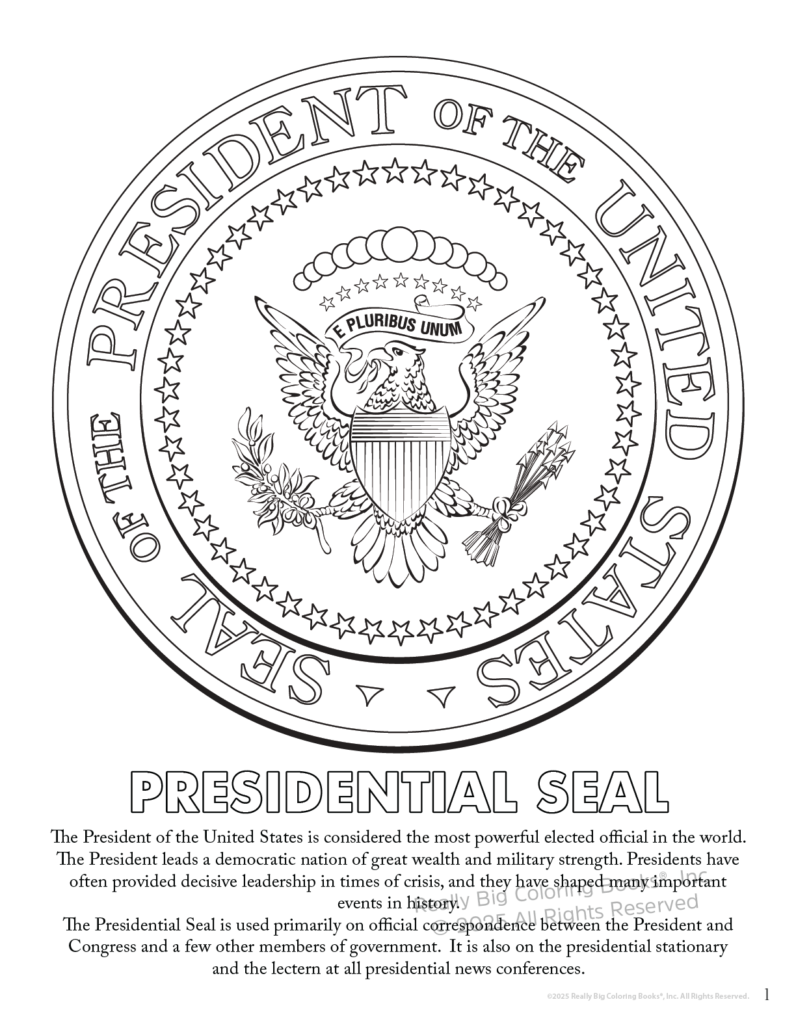
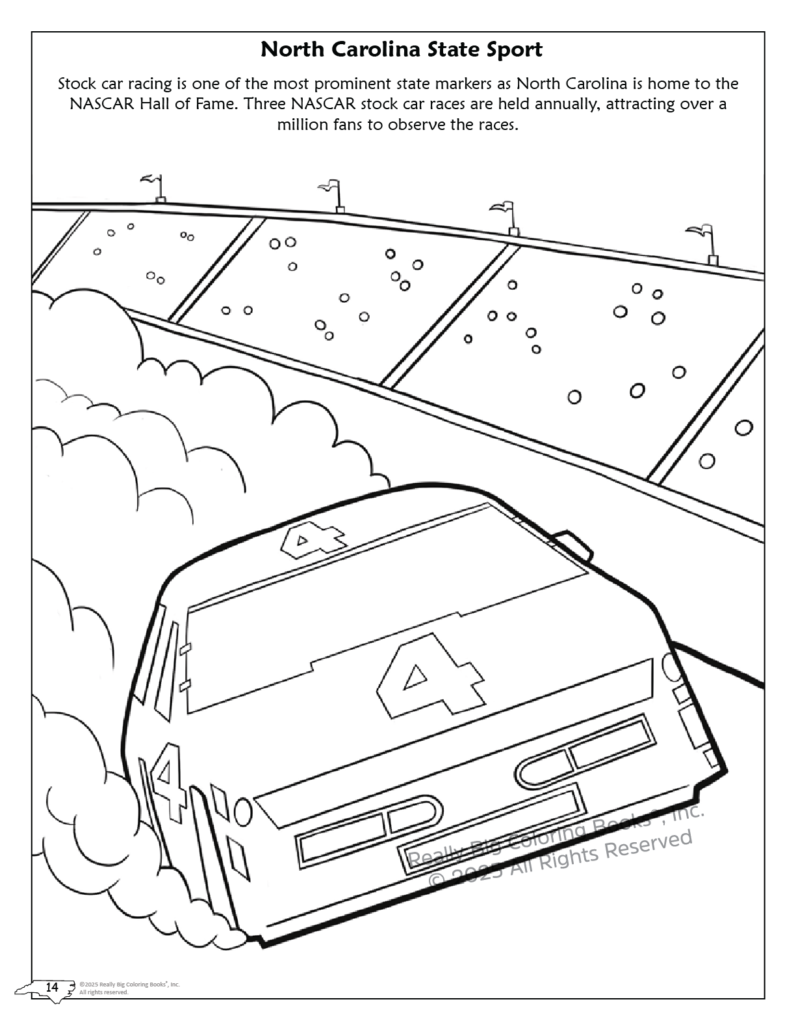
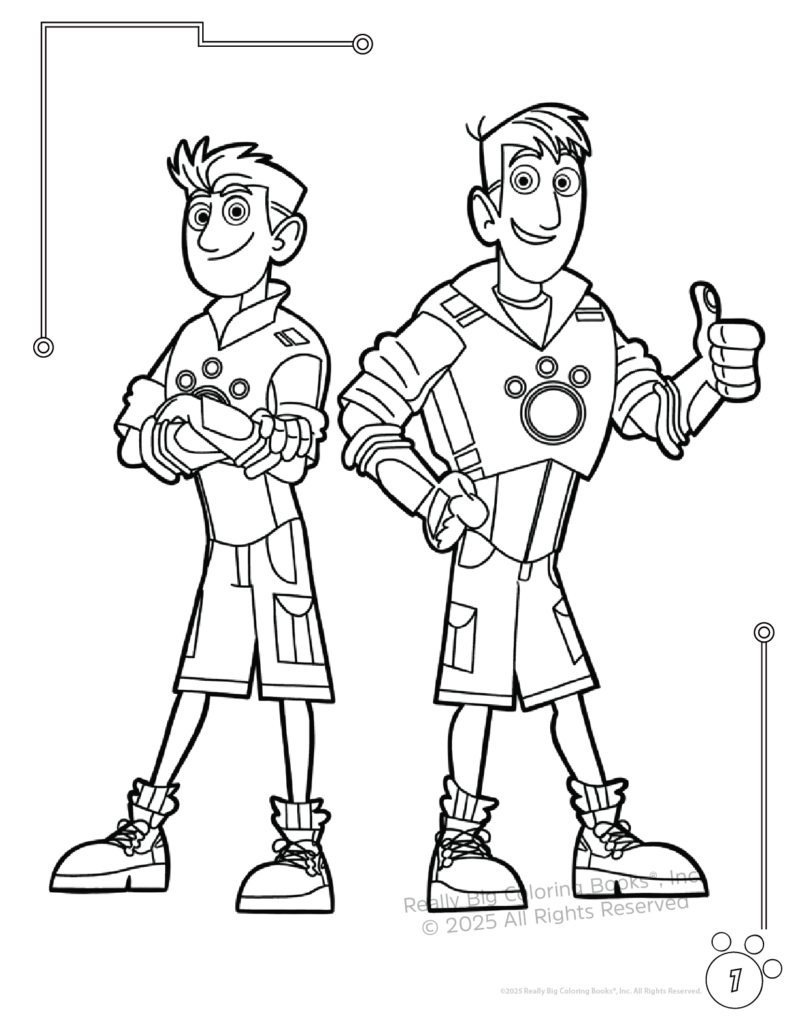
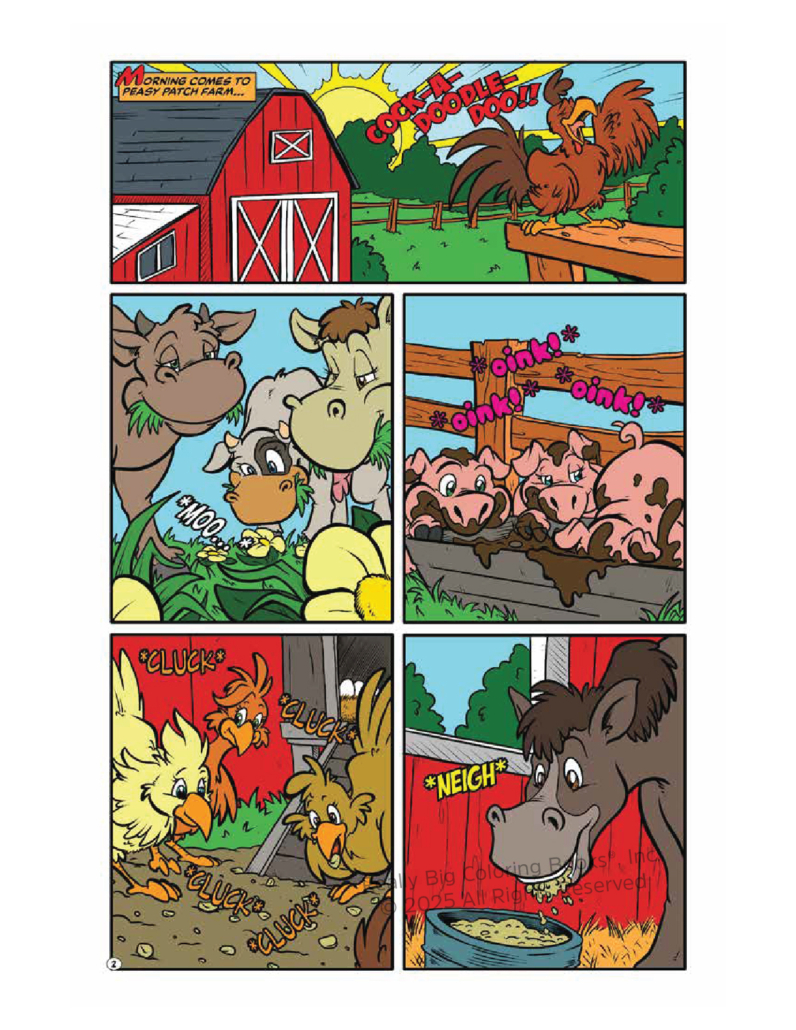
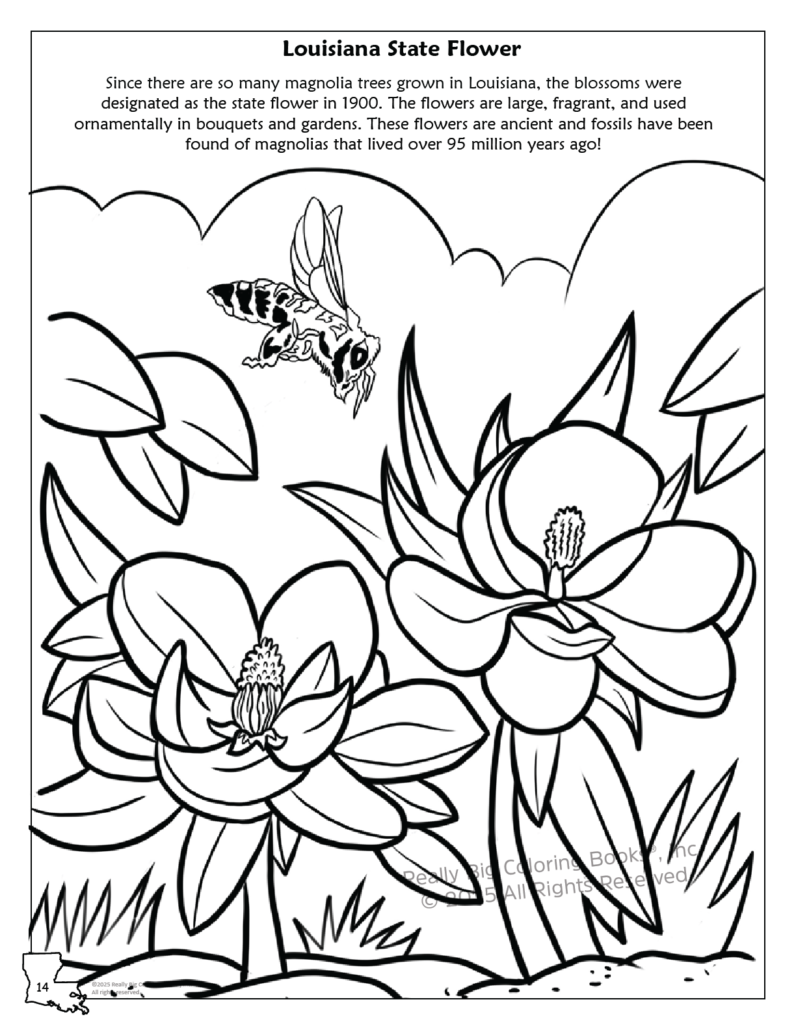

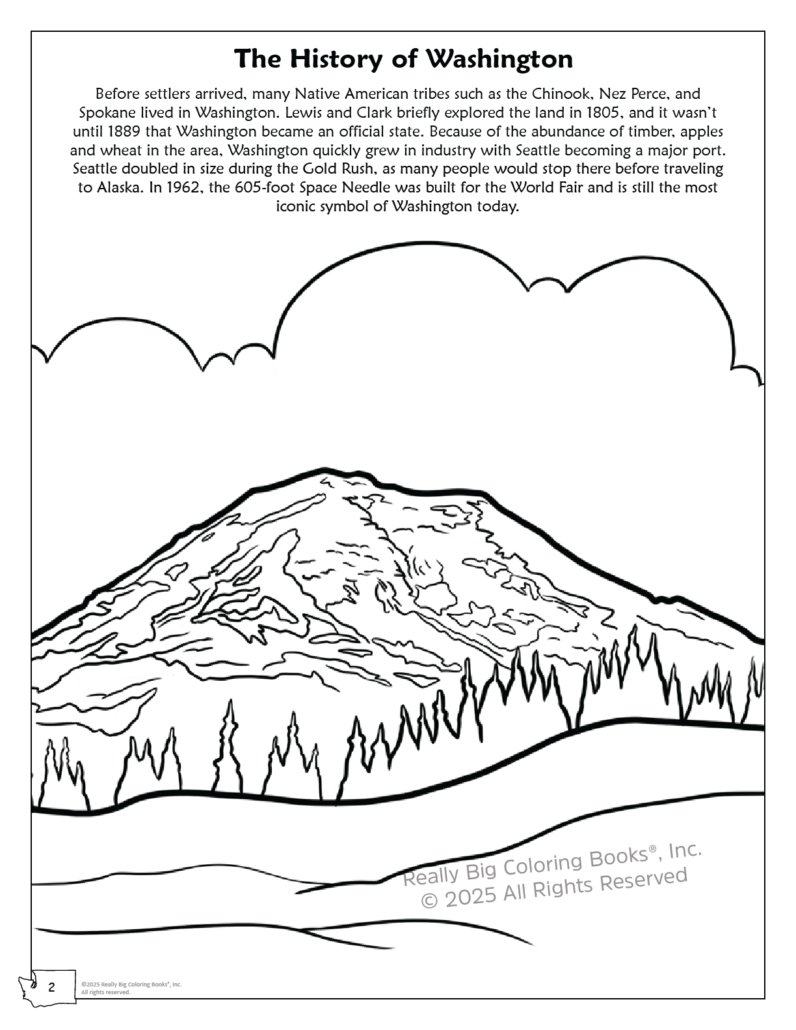
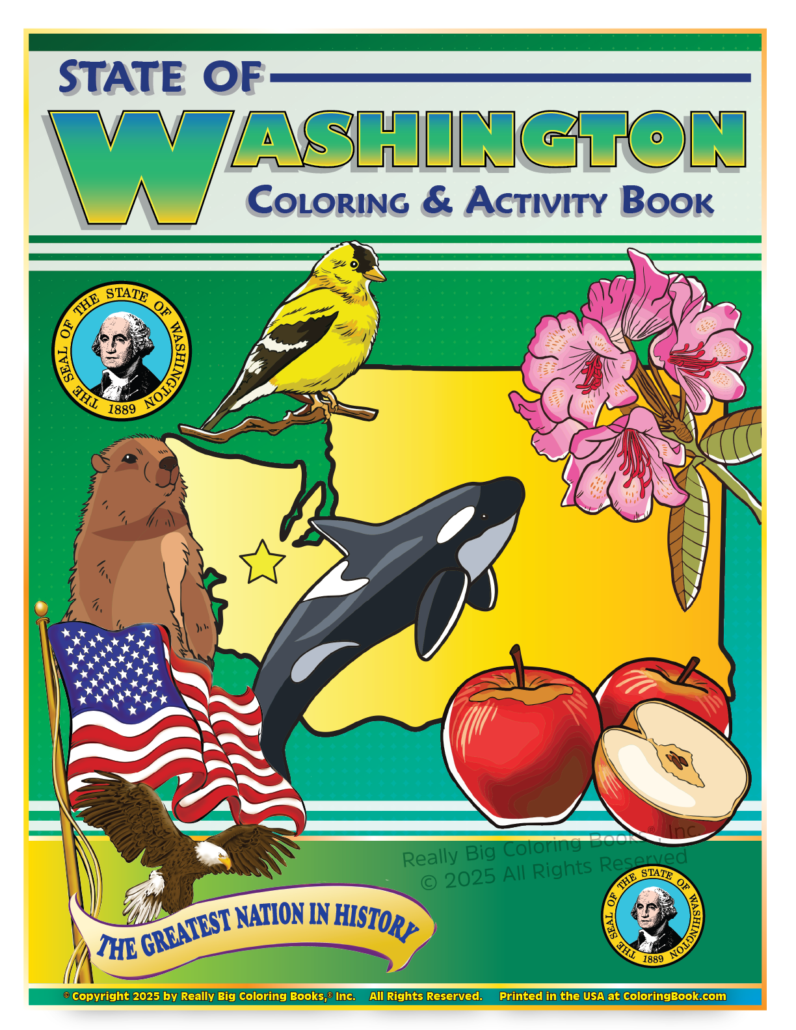
Coloring books have a surprisingly rich and global history, intertwining art, education, and culture for more than a century. Their origins trace back to 19th‑century educational movements that viewed drawing and coloring as vital tools for learning and moral development. Inspired by reformers such as Johann Heinrich Pestalozzi and Friedrich Fröbel, early “painting books” encouraged children to color carefully — often with paints rather than crayons — as a way to nurture both creativity and discipline.
The modern coloring book took shape in the late 1800s when the McLoughlin Brothers published The Little Folks’ Painting Book in 1879, with charming illustrations by Kate Greenaway. Thanks to advances in lithographic printing, publishers could now produce beautifully illustrated pages cheaply and at scale, opening coloring to a mass audience. By the early 20th century, the coloring book had also become a powerful promotional tool, with businesses using branded characters and activities to reach families and build loyalty.
Throughout the 20th century, coloring books became a fixture of childhood, especially after low-cost crayons made them accessible to millions. Adult-oriented coloring titles appeared as early as the 1960s, often with a satirical edge. In the 21st century, the medium found a new life with the global boom in adult coloring books for stress relief, focus, and mindfulness — proving coloring’s enduring appeal across generations.
In St. Louis, Missouri, a young entrepreneur named Wayne Bell would take this humble art form to an entirely new level. Raised in a printing family, Bell grew up around sheets of paper large enough to fire a child’s imagination. When his grandmother suggested he staple those sheets together, draw on them, and call them “coloring books,” a lifelong business was born. At just 20 years old, Bell began creating large-format coloring pages — 18 by 24 inches — that stood out on store shelves and invited bigger, bolder creativity.
By the late 1980s, Bell officially launched Really Big Coloring Books, Inc. and its digital home, ColoringBook.com. From day one, the company’s mission was to produce engaging, educational, and community-oriented coloring books — from animal and health themes to anti-bullying, cultural, and religious topics. The books quickly found success with schools, nonprofits, and family-focused organizations across America.
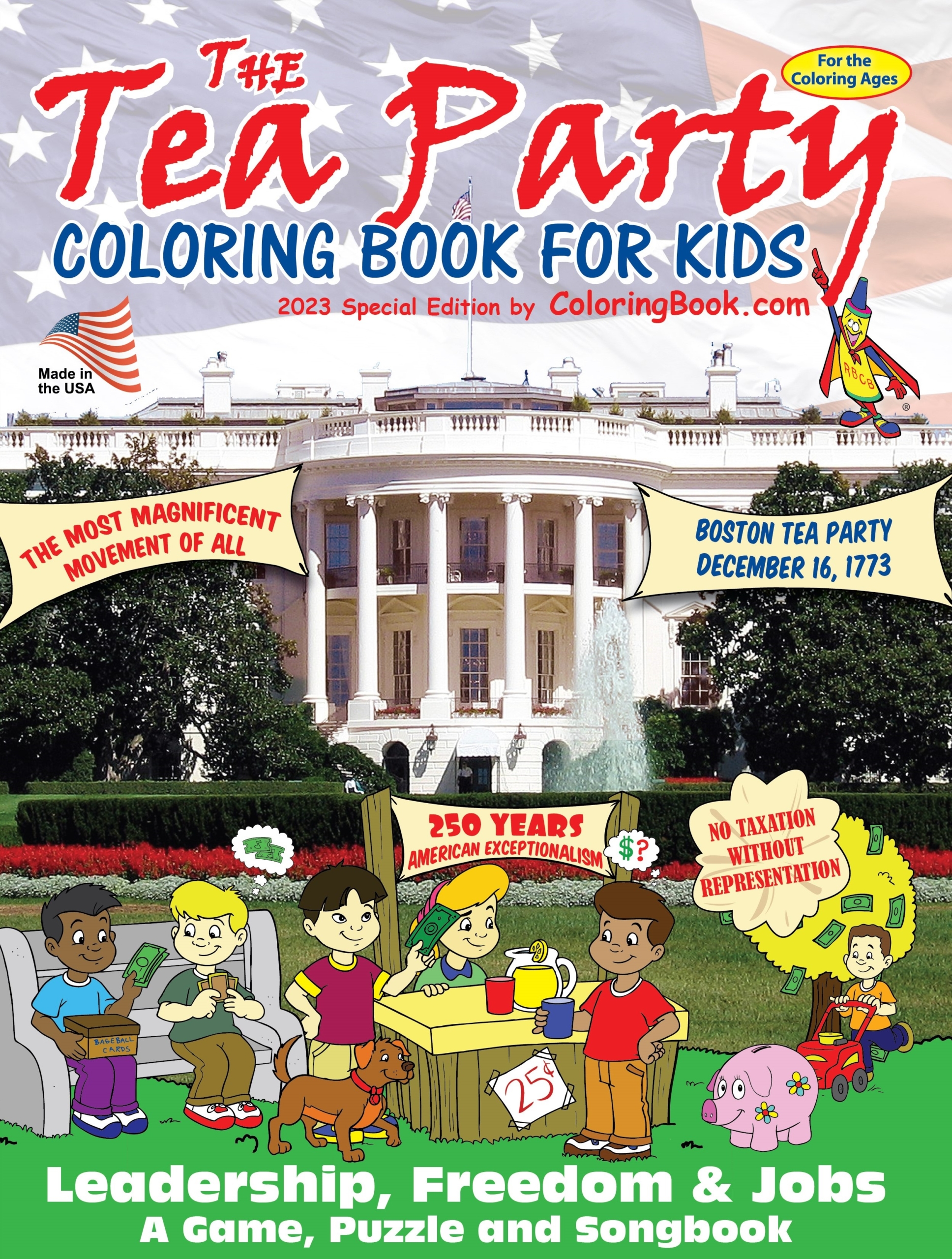
Under Wayne Bell’s leadership, Really Big Coloring Books pushed boundaries, exploring political and cultural topics that often made headlines. Titles such as Yes We Did – President Barack Obama Coloring and Activity Book, the Tea Party Coloring Book, and editions on Donald J. Trump and other public figures sparked debate while capturing public attention. Yet controversy wasn’t the company’s only edge — Bell also became an early pioneer in the online publishing world.
His decision to acquire more than 1,600 coloring book–related domain names transformed how coloring books could be marketed, searched, and sold online. This massive digital presence turned a traditional print business into a web-driven powerhouse and positioned Really Big Coloring Books as a leader in the digital publishing landscape.
Coloring books have a surprisingly rich and global history, intertwining art, education, and culture for more than a century. Their origins trace back to 19th‑century educational movements that viewed drawing and coloring as vital tools for learning and moral development. Inspired by reformers such as Johann Heinrich Pestalozzi and Friedrich Fröbel, early “painting books” encouraged children to color carefully — often with paints rather than crayons — as a way to nurture both creativity and discipline.
The modern coloring book took shape in the late 1800s when the McLoughlin Brothers published The Little Folks’ Painting Book in 1879, with charming illustrations by Kate Greenaway. Thanks to advances in lithographic printing, publishers could now produce beautifully illustrated pages cheaply and at scale, opening coloring to a mass audience. By the early 20th century, the coloring book had also become a powerful promotional tool, with businesses using branded characters and activities to reach families and build loyalty.
Throughout the 20th century, coloring books became a fixture of childhood, especially after low-cost crayons made them accessible to millions. Adult-oriented coloring titles appeared as early as the 1960s, often with a satirical edge. In the 21st century, the medium found a new life with the global boom in adult coloring books for stress relief, focus, and mindfulness — proving coloring’s enduring appeal across generations.
In St. Louis, Missouri, a young entrepreneur named Wayne Bell would take this humble art form to an entirely new level. Raised in a printing family, Bell grew up around sheets of paper large enough to fire a child’s imagination. When his grandmother suggested he staple those sheets together, draw on them, and call them “coloring books,” a lifelong business was born. At just 20 years old, Bell began creating large-format coloring pages — 18 by 24 inches — that stood out on store shelves and invited bigger, bolder creativity.
By the late 1980s, Bell officially launched Really Big Coloring Books, Inc. and its digital home, ColoringBook.com. From day one, the company’s mission was to produce engaging, educational, and community-oriented coloring books — from animal and health themes to anti-bullying, cultural, and religious topics. The books quickly found success with schools, nonprofits, and family-focused organizations across America.
Under Wayne Bell’s leadership, Really Big Coloring Books pushed boundaries, exploring political and cultural topics that often made headlines. Titles such as Yes We Did – President Barack Obama Coloring and Activity Book, the Tea Party Coloring Book, and editions on Donald J. Trump and other public figures sparked debate while capturing public attention. Yet controversy wasn’t the company’s only edge — Bell also became an early pioneer in the online publishing world.
His decision to acquire more than 1,600 coloring book–related domain names transformed how coloring books could be marketed, searched, and sold online. This massive digital presence turned a traditional print business into a web-driven powerhouse and positioned Really Big Coloring Books as a leader in the digital publishing landscape.
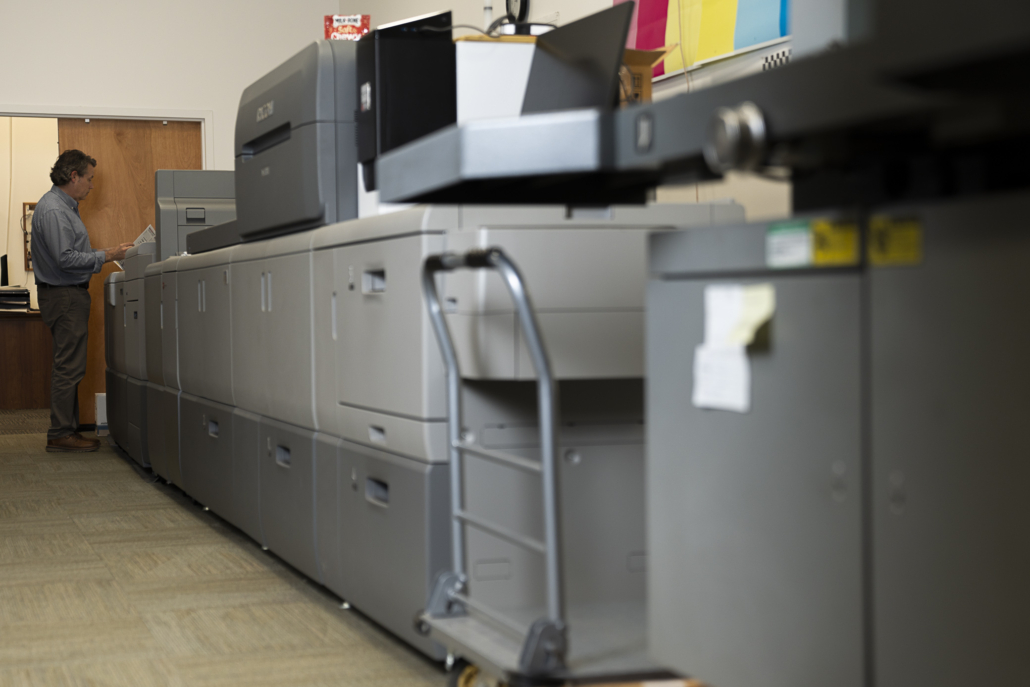
Today, Really Big Coloring Books operates as a global brand, producing titles in more than 30 languages and shipping to over 90 countries. Its catalog ranges from children’s coloring and activity books to adult mindfulness designs and custom corporate editions. All production — from art and writing to printing and binding — happens under one roof in St. Louis, ensuring consistent quality and creativity.
Wayne Bell’s story is not just about coloring books — it’s about reimagining a classic art form for a connected, changing world. By pairing oversized creativity with online innovation, he helped shape the modern coloring book industry and built one of the world’s most recognizable brands in the space.

4 imprint areas per book with NO SET UP fees and Complimentary Color. USA Made – St. Louis at ColoringBook.com
| Number of Pages: | Any number |
Really Big Coloring Books® member Library of Congress Copyright Office Books and Music
Click for information about:
Jingles | Custom Songs | Band
Member of the Missouri Press Association
82277
649013
50277
 Really Big Coloring Books
 Really Big Coloring BooksWayne Bell Publisher Coloring Books