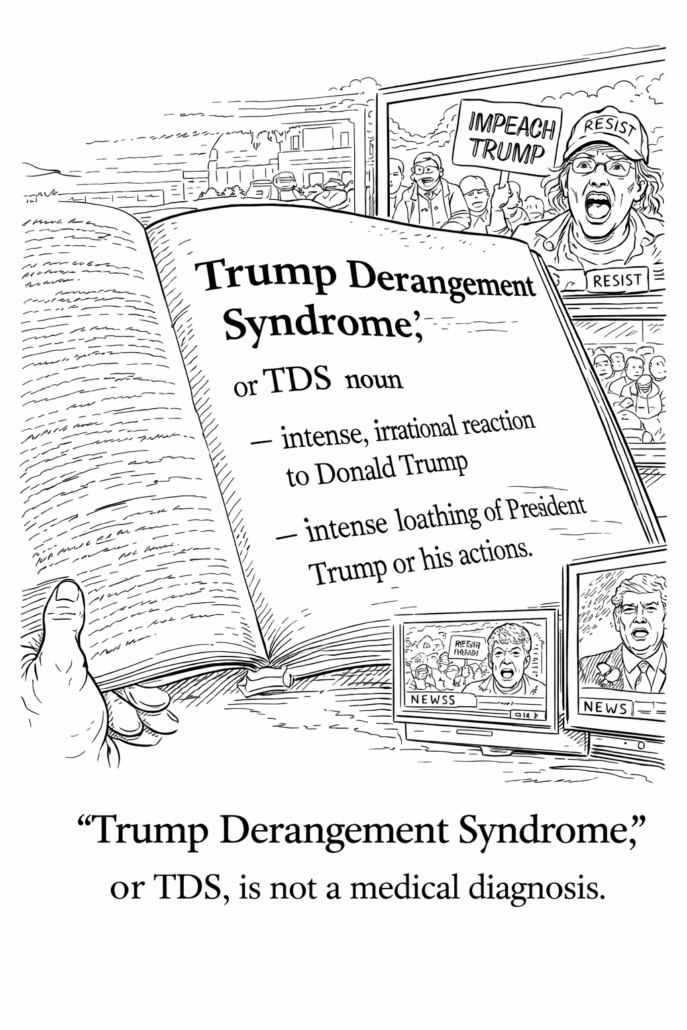
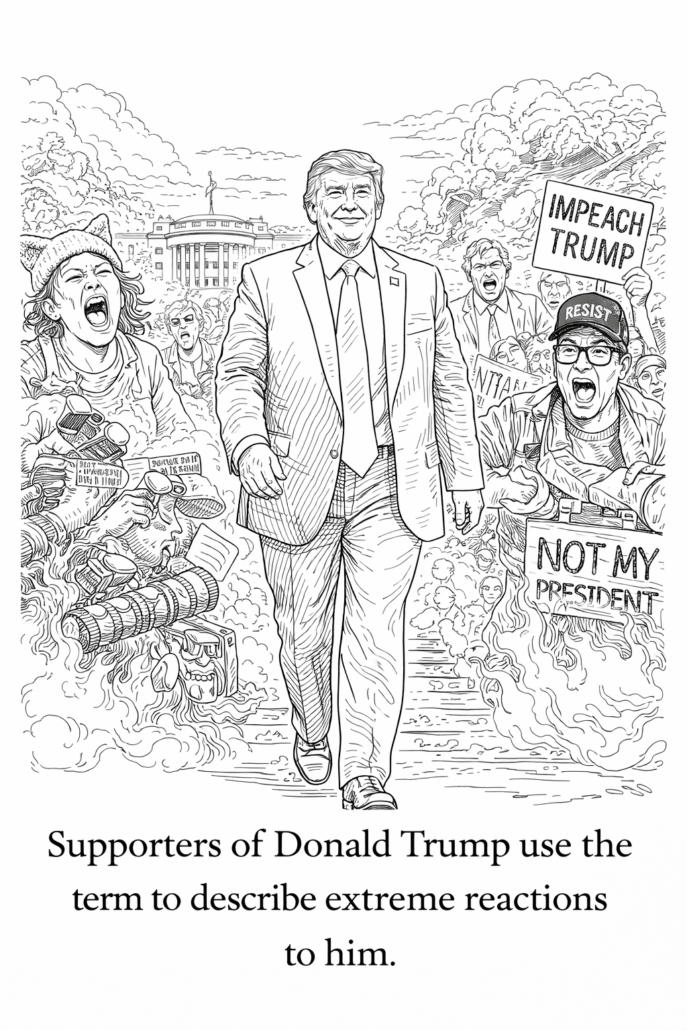
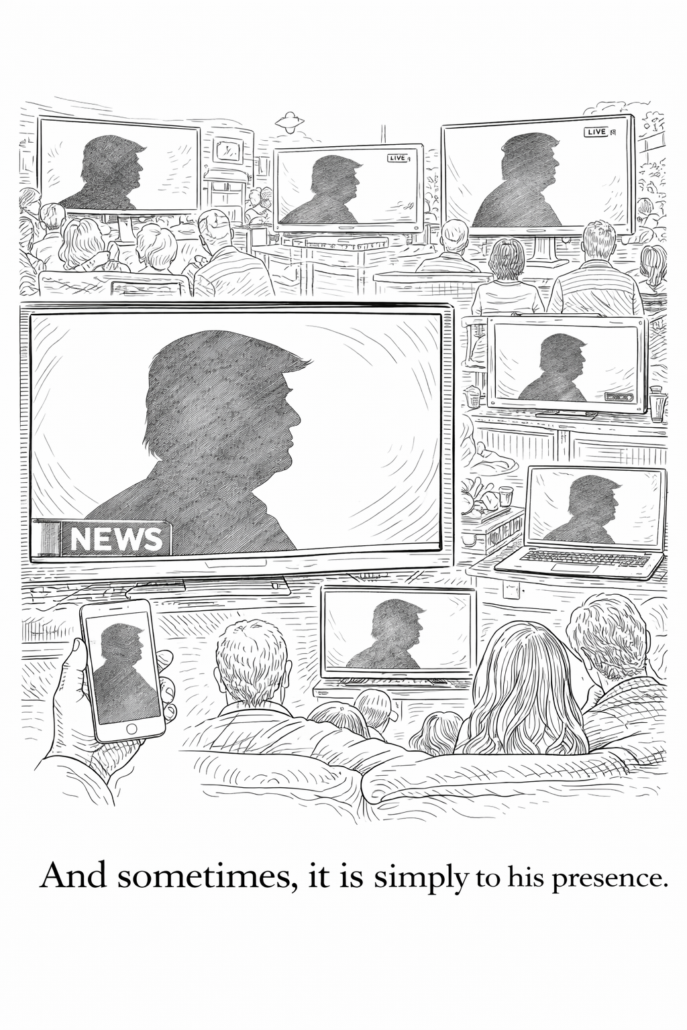
“Trump Derangement Syndrome” (TDS) is a political and cultural term, not a medical diagnosis. It’s used to describe what supporters of Donald Trump characterize as intense, emotional, or irrational reactions to Trump—his words, actions, or even his mere presence in public life.
Below is a neutral, descriptive breakdown of how the term is commonly used and understood.
What the term means
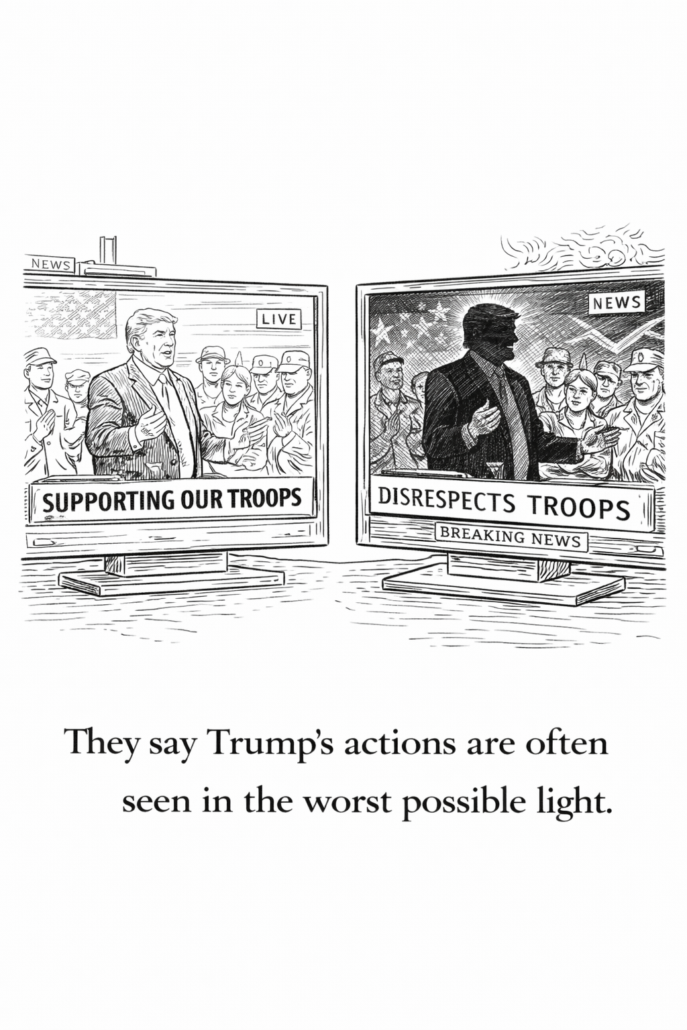
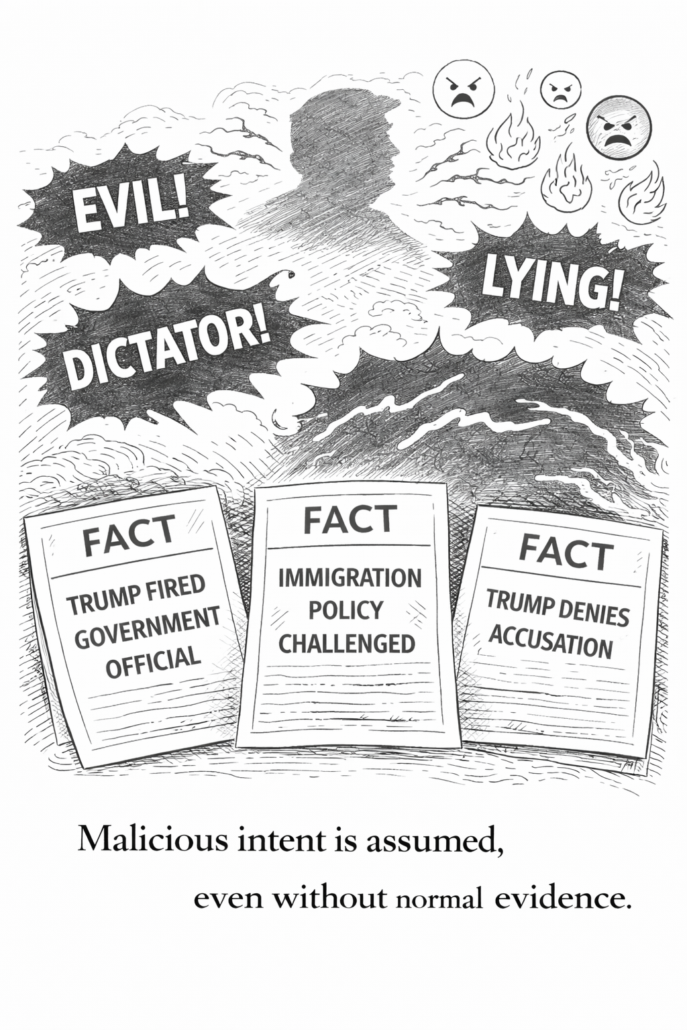
Coined as a rhetorical label, not a clinical condition. Suggests that criticism of Trump goes beyond normal political disagreement. Implies responses driven more by emotion, fear, or hostility than by policy analysis. Supporters often argue that TDS causes people to:. Interpret all Trump-related actions in the worst possible light. Assume malicious intent regardless of evidence. React disproportionately to statements, tweets, or media coverage.
Common traits attributed to TDS (by those who use the term)
These are claims, not medical criteria: Persistent outrage or fixation on Trump. Viewing Trump as uniquely dangerous or evil. Difficulty acknowledging any positive outcomes associated with his policies. Strong emotional responses (anger, ridicule, panic) triggered by Trump-related news. Heavy reliance on sensational or partisan media narratives.
How critics of the term respond
Many people reject the term outright and argue that: Strong opposition to Trump is rational and evidence-based, not emotional. The phrase is used to dismiss legitimate criticism. It functions as a political insult rather than a meaningful concept. It mirrors similar labels used historically to discredit dissent
Some compare it to phrases like: “Bush Derangement Syndrome” “Obama Derangement Syndrome”.
Role in media and culture: Frequently used in opinion media, books, podcasts, and social commentary
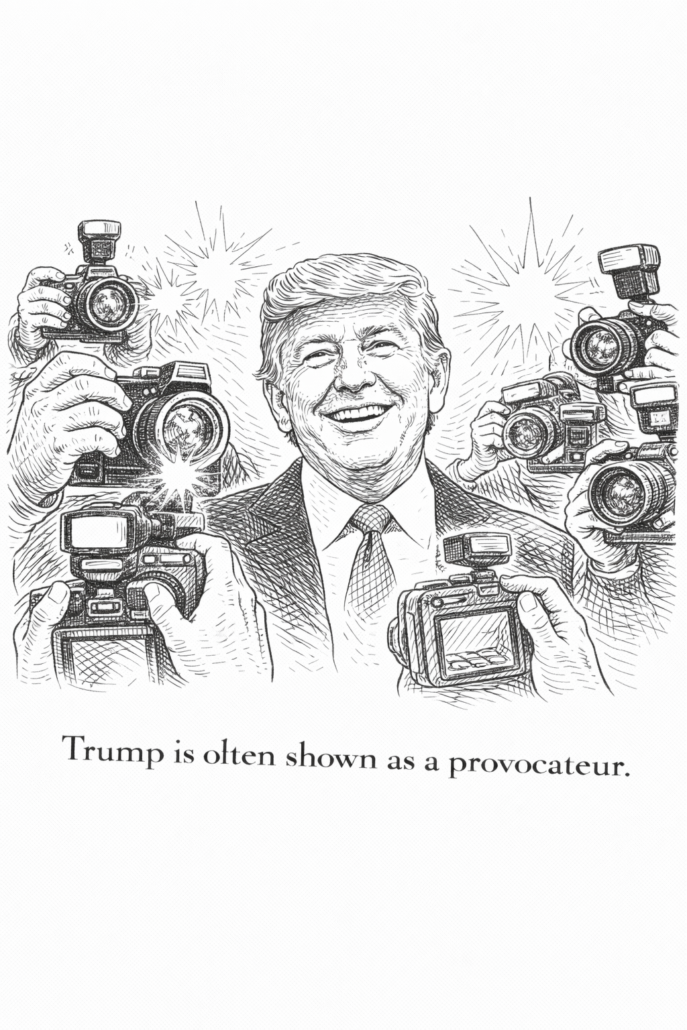
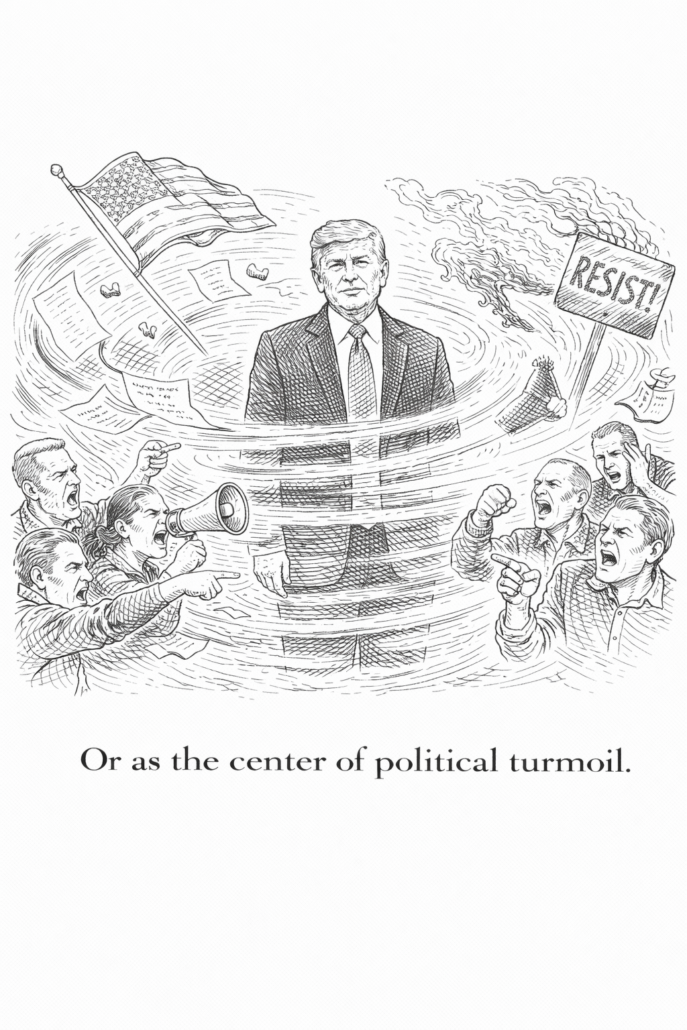
Often portrayed visually with themes of chaos, outrage, protests, and media frenzy. Trump depicted as either a provocateur or a central figure amid turmoil




 Really Big Coloring Books
 Really Big Coloring Books
 Really Big Coloring Books
 Really Big Coloring Books











 Really Big Coloring Books
 Really Big Coloring Books