Christmas Trees Around the World: Origins and Spread
Christmas Trees Around the World, the modern Christmas tree tradition is usually traced to German-speaking Europe in the late Middle Ages and early modern period, where fir trees were brought indoors and decorated with fruits, sweets, and later candles as part of Christian Christmas celebrations. Over the 18th–19th centuries, the custom spread through royal courts and urban elites to Britain, Scandinavia, and then North America, before becoming a global symbol via migration, trade, and mass media.
Europe
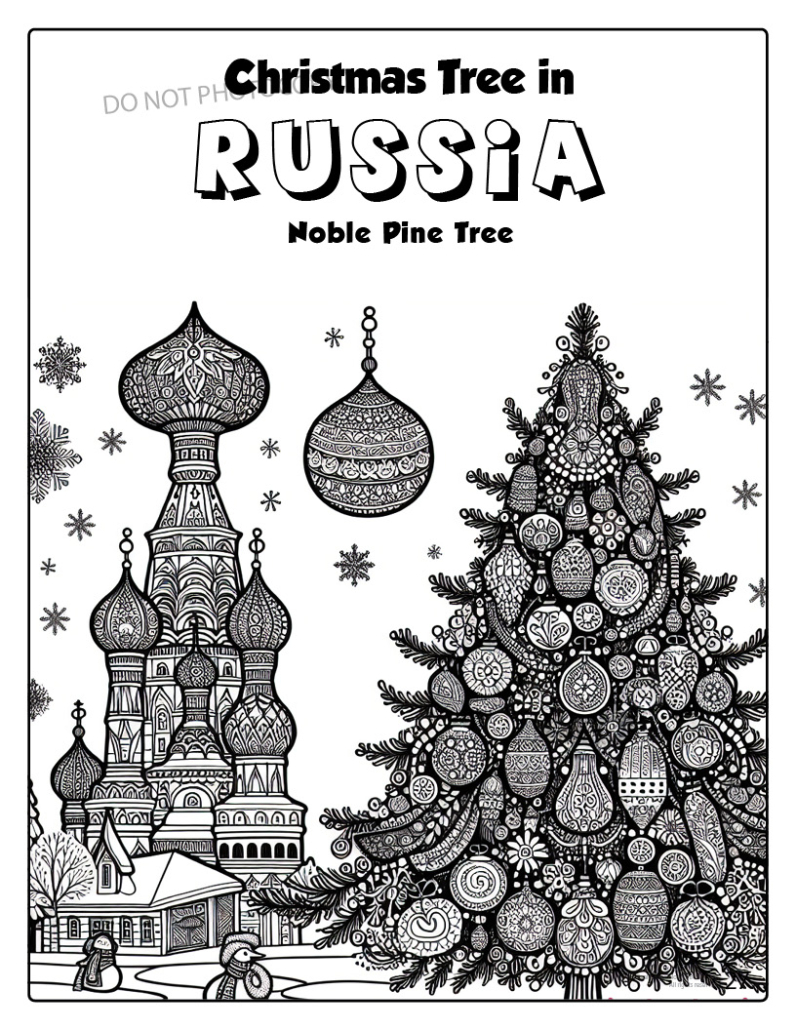
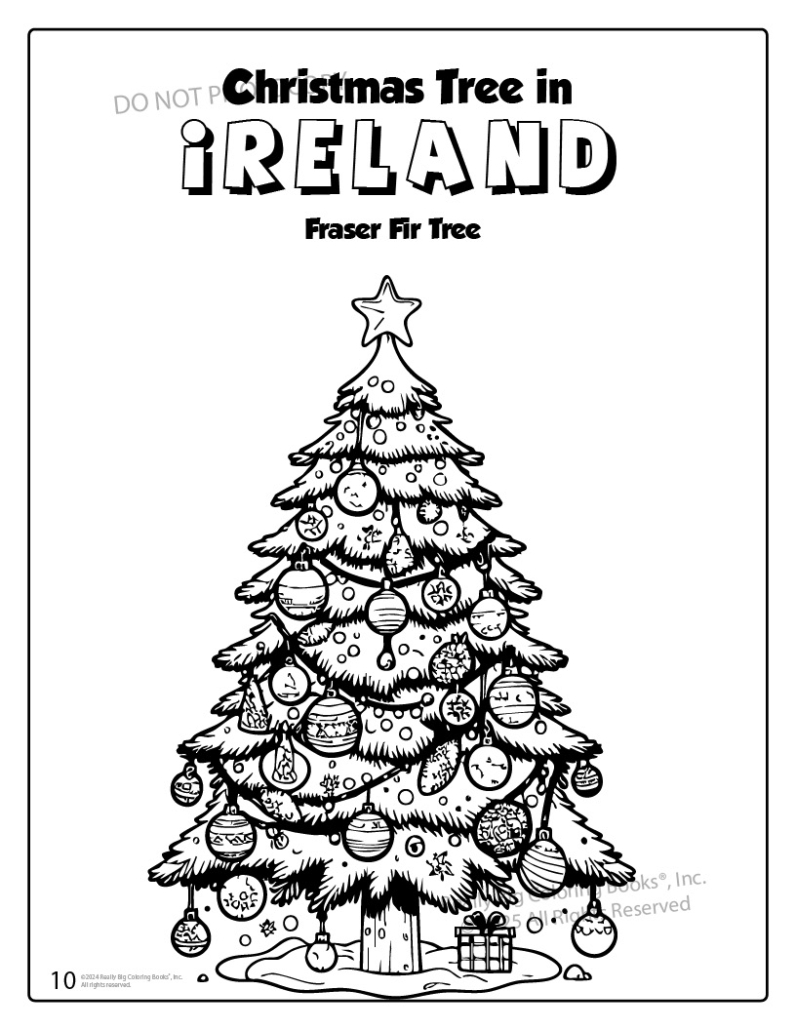
In much of Europe, people still favor real fir or spruce trees, often decorated with a mix of lights, glass baubles, and more traditional items like straw ornaments or edible sweets. In some Central and Eastern European countries, older customs survive alongside modern trees, such as hanging decorated branches from ceilings or placing a modestly adorned tree in a corner of the main room.
Americas
In the United States and Canada, both real and artificial trees are common, with a strong emphasis on electric lights, themed ornaments, and large public trees in city squares, malls, and landmarks. In Latin American countries, where Christmas falls in summer, artificial trees are more typical, and outdoor light displays often use tree shapes or giant artificial trees as focal points for community celebrations.
Africa and Asia-Pacific
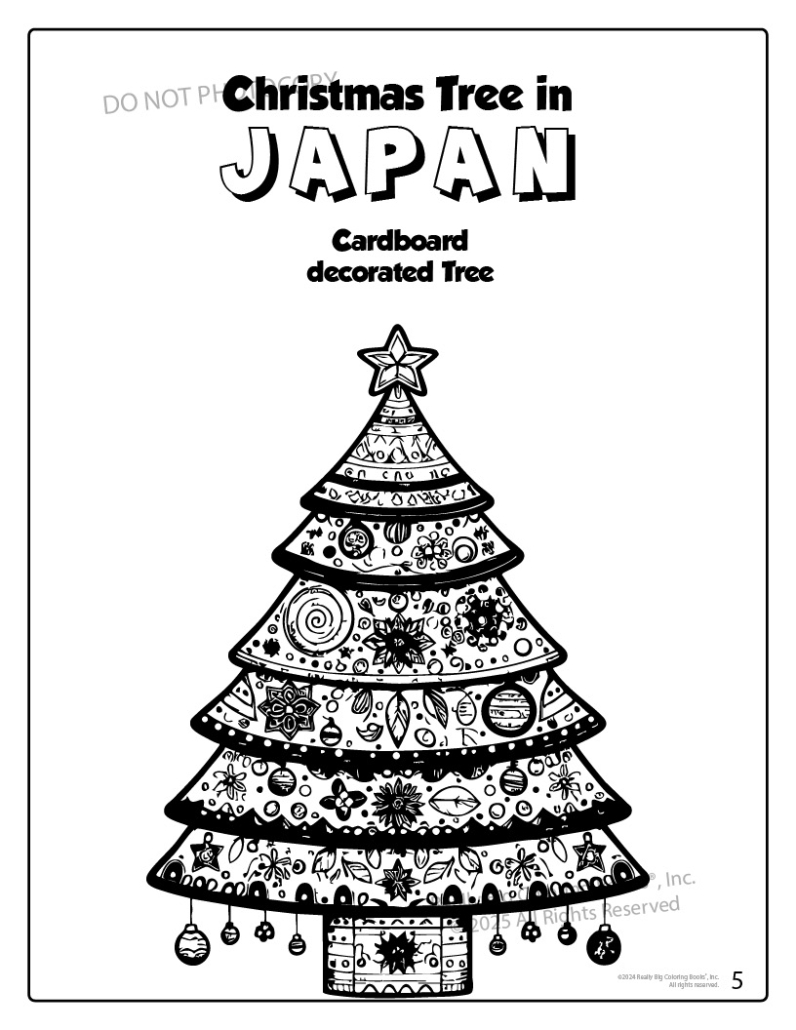
In many African and Asian countries, Christmas is celebrated by Christian minorities, so trees tend to appear in churches, malls, and big-city homes rather than everywhere. Where fir trees are rare or expensive, people often decorate local plants, artificial trees, or creative alternatives, and blend them with regional crafts like paper ornaments, lanterns, or garlands made from local materials.
Creative and symbolic variations
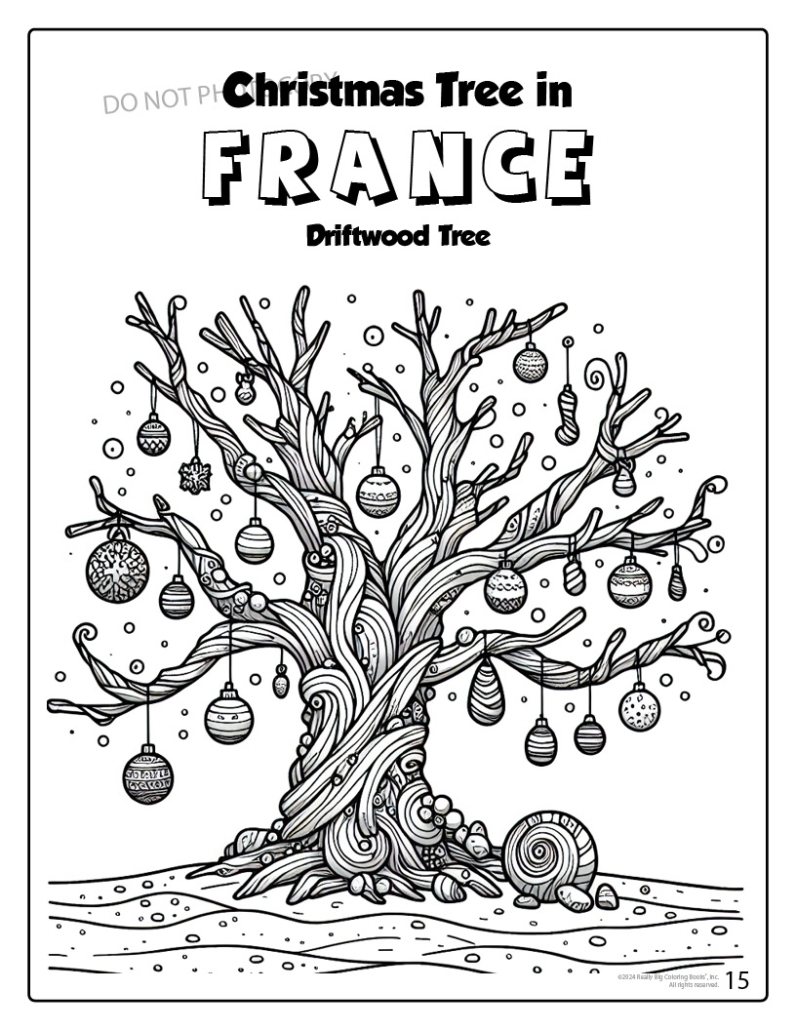
Around the world, coastal or tropical cities may build “trees” from sand, lights, or metal frames, while some places emphasize symbolic decorations—such as origami, lanterns, or stars—more than the tree itself. Public Christmas trees in major cities often become tourist attractions, with annual lighting ceremonies, music, and markets turning a single decorated tree into the centerpiece of a broader seasonal festival.
Early Christian tree customs
By the 15th and 16th centuries, guilds and urban groups in places like Livonia (today’s Estonia and Latvia) and northern Germany were putting up decorated spruce trees in town squares, often adorned with sweets or roses and used as a focus for dancing and celebration. Around the same time, Protestant German households—especially Lutheran families—began bringing small evergreen trees indoors at Christmas, decorating them with apples, wafers, nuts, and later candles, blending the “paradise tree” with domestic devotion



 Really Big Coloring Books
 Really Big Coloring Books














 Really Big Coloring Books
 Really Big Coloring Books